


Paired: Couples & Relationship
4.65.08K Reviews
App Specs
- Version
- 26.33.0
- Updated On
- License
- Free
- Downloads
- 1,000,000+
- Developer
- Paired - Relationship Advice & Quiz for Couples
- Categories
- Lifestyle
- Platform
- Android
Screenshots

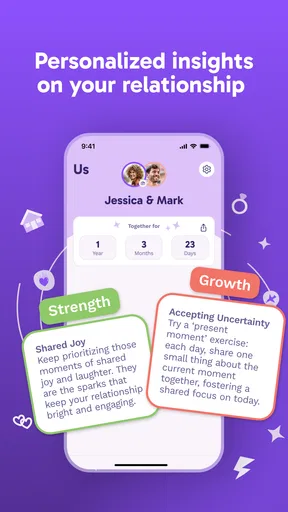
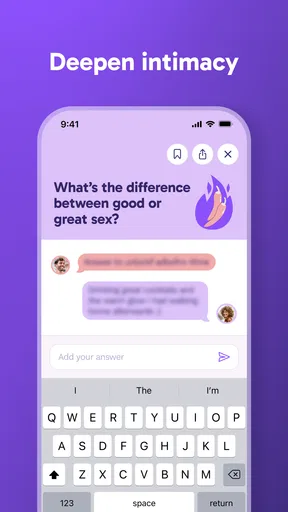
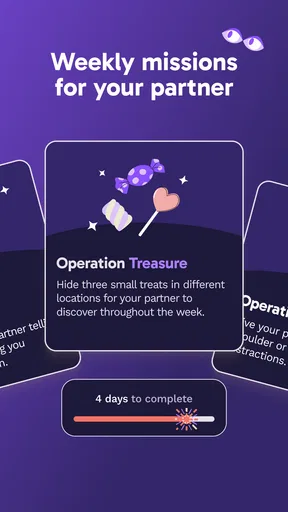
 Analysis by AppCompare
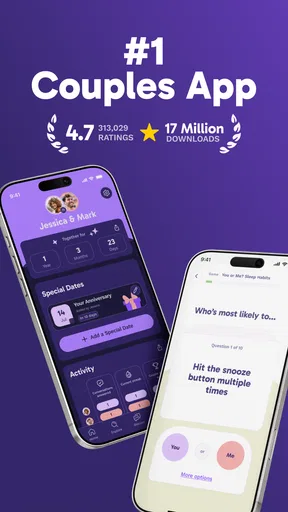
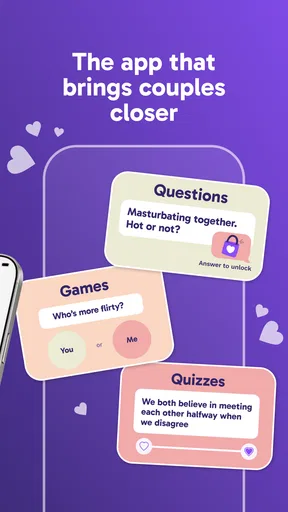
I came away from Paired: Couples & Relationship feeling that it works best as a small, repeatable conversation habit rather than a complete relationship solution. It is a lifestyle app from Paired - Relationship Advice & Quiz for Couples, built around prompts, quizzes, advice, and couple-focused activities. I found the approach more practical than simply telling two people to “communicate more,” because it gives them a starting point when a conversation would otherwise never happen.
The app is free to install, although it includes optional purchases ranging from $0.99 to $99.99 per item. It is intended for mature users aged 17 and over, and its current version is 26.33.0. That combination matters: you can explore the basic experience without paying immediately, but anyone expecting every piece of content to be open from the start should approach it with realistic expectations.
How Paired fits into everyday relationship life
My first impression was that the app is designed for couples who want a gentle nudge, not for people looking for a formal course or a substitute for professional counseling. Its questions and quizzes can turn vague topics into something concrete: how each person prefers to receive support, what creates tension at home, or which parts of a shared routine deserve more attention.
The most useful quality is its ability to lower the effort needed to begin. Many couples already know they should discuss money, time together, family boundaries, intimacy, or household responsibilities. Knowing that is not the same as finding a calm moment and choosing the right words. A guided prompt removes some of that pressure, especially when both people are willing to answer honestly rather than trying to produce the “correct” response.
I would not describe it as a game in the same sense as a competitive mobile title. The playful elements are there to make participation less formal, but the real purpose is reflection and conversation. That makes it suitable for a quiet evening, a short check-in after work, or a recurring weekend ritual. It is less suitable if one partner sees any relationship exercise as forced or intrusive.
A realistic way to use it during a busy week
Imagine a couple who keep arguing about evenings. One person feels ignored because the other is always tired; the other feels criticized after a long workday. Opening a question together may not solve the pattern, but it can move the discussion away from accusations. Each person can answer separately, compare perspectives, and then talk about one small change for the next few days.
That workflow is where I see the strongest value. I would avoid opening the app in the middle of an argument, because a prompt can feel like another demand when emotions are already high. Instead, I would use it when both people are reasonably calm, choose one topic, and stop after a useful conversation rather than racing through several exercises. The app is more effective as a doorway into a discussion than as a checklist to complete.
Worth Reading Before You Choose

EA SPORTS FC Mobile 26 Is a Bigger Football Game, but It Takes Time

Flipboard Shows What News Apps Must Do Beyond the Feed

Switching to Android Auto Means Rethinking Your Driving Routine

Google Calendar Makes a Crowded Week Easier to Manage

Ludo King Makes the Most of the Minutes Between Plans

Baby Panda World Brings Quick Play to Modern Phones, but Its Game Library Feels Busy
A second practical use is for couples who live apart or have mismatched schedules. A shared question can create a deliberate point of contact when ordinary messages have become limited to errands and logistics. It does not replace a real call, but it can give that call a more personal direction. For newer couples, the prompts may also reveal expectations that have not yet surfaced naturally.
What the current version suggests about the product
The current release, 26.33.0, shows that this is an actively maintained product rather than a one-off collection of questions. I would treat that as a positive sign for people who want an app that continues to receive attention. At the same time, a version number alone does not promise that every change will transform the experience. In a relationship app, steady refinement can be more valuable than dramatic redesign because users need familiar routines they can return to.
The app has been available since September 17, 2020, giving it enough time to establish a recognizable format. Its scale also indicates that it is not an obscure experiment: it has passed one million installs, with an average rating of 4.6 from around 63 thousand ratings. Those figures make me more comfortable recommending it as something worth trying, but they do not remove the need to judge whether its tone suits both partners.
Its store presence identifies it simply as “Paired,” while the fuller name makes its purpose clearer. That distinction is minor, but it is useful when searching for it on a phone: looking for the relationship-focused app from Paired - Relationship Advice & Quiz for Couples avoids confusing it with unrelated tools using similar wording.
Changes that matter to someone already using it
For an existing user, the most important effect of ongoing development is continuity. If you have built a routine around answering questions together, a familiar structure makes it easier to return after a busy period. The current version should be approached as the present form of that experience, not as proof that every older habit or expectation will remain unchanged forever.
I would pay attention to how the app presents new material, how clearly it separates free access from paid content, and whether returning users can find their preferred activities without unnecessary searching. These details affect the daily experience more than a long feature list. A relationship app succeeds when opening it feels easy enough to do regularly.
There is also a subtle trade-off between personalization and simplicity. A broad library can help couples at different stages, but too much choice can create decision fatigue. If the app offers a suggested activity, I would use that recommendation as a starting point instead of spending ten minutes searching for the perfect topic. The point is to have a useful exchange, not to optimize the selection process.
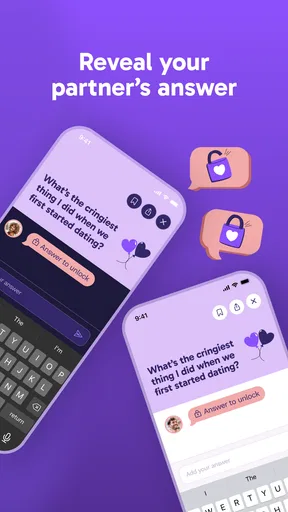
Another tip is to answer independently before discussing the result. Looking at a partner’s response first can encourage agreement for the sake of peace, especially on sensitive subjects. Separate answers preserve the app’s value as a comparison tool. Afterward, focus on the difference in perspective rather than treating it as evidence that one person is wrong.
Where it is stronger than ordinary alternatives
The usual alternative is an unstructured conversation, a relationship book, or a general journaling app. Those options can be excellent, but they put more responsibility on the couple to choose a topic, frame it fairly, and keep the discussion moving. Paired is more immediate. It packages the starting point and makes participation feel shared rather than like one partner assigning homework to the other.
Compared with a general advice app, its couple-centered format is also more focused. You are not sorting through broad self-help material hoping to find something relevant to a shared relationship. The questions are meant to be discussed by two people, which reduces the gap between reading advice and actually using it together.
Compared with counseling, however, the difference is substantial. An app cannot observe a couple’s communication pattern, challenge harmful behavior in real time, or adapt responsibly to serious emotional or safety concerns. I would use Paired for maintenance, curiosity, and low-pressure reflection. I would not use it as the only response to abuse, coercion, severe distress, repeated betrayal, or conflicts that feel impossible to contain safely.
It also differs from a messaging app because the value is not simply staying in contact. If you already communicate openly and want spontaneous conversation, the guided format may feel unnecessary. In that case, an ordinary call or an in-person activity could be more natural. The app earns its place when structure helps you talk about things you keep postponing.
The payment model and the choice to skip premium access
Because the app is free to install and contains in-app purchases, I would begin by testing whether both partners actually enjoy the basic rhythm before considering anything paid. This is especially important because one person may like quizzes while the other prefers direct conversation. Paying will not fix a mismatch in motivation.
The wide purchase range, from $0.99 to $99.99 per item, means users should look carefully at the purchase screen and decide what level of commitment feels reasonable. I would avoid buying during an emotionally charged moment or simply because a locked activity appears at the end of a good session. First establish whether you will return to the app consistently.
There is a practical reason to keep expectations modest even if you choose premium material. More prompts do not automatically create deeper conversations. A couple can gain more from one honest discussion about a difficult routine than from completing a large number of lightweight questions. I would measure value by whether the app changes what happens between sessions, not by how much content is unlocked.
Limitations that become clearer with regular use
The biggest limitation is motivation. Both partners need to participate voluntarily for the app to work as intended. If one person repeatedly opens it only to prove a point, monitor the other’s answers, or pressure them into disclosure, the guided format can become uncomfortable. No question library can solve a lack of good faith.
Some couples may also find the tone too organized. People who prefer unplanned conversations could experience prompts as artificial, while couples with very specific cultural, family, or personal circumstances may need to adapt the wording to fit their lives. I would treat each question as an invitation, not a script that must be answered exactly as written.
Privacy is another reason to use judgment. Relationship answers can be personal, so I would avoid responding casually in a public place, sharing screenshots without permission, or treating a partner’s answer as material for an argument later. Before using the app for sensitive subjects, agree on how both people want those conversations handled outside the screen.
The mature age rating is also worth taking seriously. It signals that the app is aimed at adults and may address subjects that are not appropriate for younger users. For adult couples, that can make the content feel more relevant; for families looking for a general communication activity, this is not the right category of app.
Who should try it, and who should choose something else
I think Paired is a good fit for couples who care about their relationship but struggle to create intentional conversation. It can be particularly helpful during a transition such as moving in together, managing conflicting schedules, or trying to reconnect after a period of routine. It may also suit couples who enjoy quizzes and want a low-pressure activity that produces something to discuss afterward.
I would recommend skipping it if either partner is firmly opposed to guided exercises, if the relationship needs immediate professional help, or if the main goal is private individual therapy. It is also not the best choice for someone looking for a detailed budgeting tool, a shared calendar, or a conflict-resolution service. Its role is narrower: encouraging relationship-focused exchanges through prompts, advice, and activities.
For couples who want structured education and are willing to read at length, a carefully chosen relationship book or therapist-led program may offer more depth. For couples who only need a fun date-night idea, a general activity app may provide more variety. Paired sits between those options: more directed than casual entertainment, but lighter and more self-guided than professional support.
What I would watch as the app continues to evolve
As the product develops, I would look for improvements that make repeated use more meaningful rather than simply adding more material. Better ways to return to an unfinished conversation, clearer guidance for handling disagreement, and thoughtful organization by relationship stage would all matter to me. These are the kinds of changes that could help an occasional download become a sustainable habit.
I would also watch the balance between free access and paid content. A free starting point is valuable because couples can test the tone together, but the experience should remain transparent enough that users understand what they are choosing before committing money. Clear expectations are especially important in an app connected to personal feelings.
Finally, I would hope development continues to respect the difference between everyday relationship maintenance and serious relationship harm. Advice and quizzes can encourage reflection, but they should not create the impression that a difficult or unsafe situation can be solved by answering enough questions. The strongest future direction would preserve the app’s approachable style while making those boundaries easier for users to recognize.
Overall, I see Paired: Couples & Relationship as a useful conversation starter with a sensible place in a couple’s routine. I like that it turns an abstract goal—spending more intentional time together—into a concrete activity that can take only a short session. I also appreciate that it does not require users to be relationship experts before they begin.
My recommendation is to install it free, try a few activities when both partners are relaxed, and judge the result by the quality of the conversation afterward. If the prompts help you say something you had been avoiding, the app is doing its job. If they feel forced, move back to an ordinary conversation or choose a more suitable form of support. Its real strength is not answering questions; it is making a worthwhile conversation easier to start.
Pros
- Daily questions encourage meaningful conversations.
- Includes exercises for communication
- intimacy
- and conflict resolution.
- Progress tracking helps couples maintain a shared routine.
- Clean interface makes activities easy to find and complete.
- Useful for couples who want guided relationship check-ins.
Cons
- Many lessons and features require a paid subscription.
- Some questions may feel repetitive after extended use.
- Works best when both partners participate consistently.
- Limited value for users seeking professional relationship counseling.
- Notifications can become distracting if reminders are frequent.
FAQs for Paired: Couples & Relationship
What is Paired: Couples & Relationship, and what can I use it for?
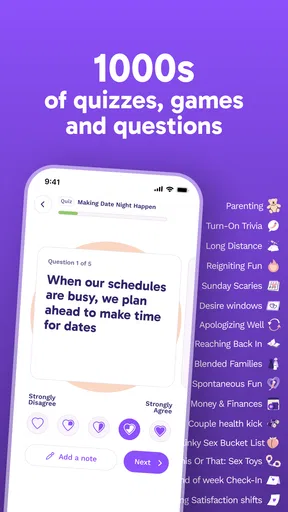
Paired: Couples & Relationship is a relationship app designed to help partners communicate more openly, understand each other’s needs, and build healthier daily habits together. It offers conversation questions, quizzes, guided activities, and relationship-focused insights covering subjects such as intimacy, conflict, appreciation, family life, and future plans. It is intended for couples at different stages, whether they want to strengthen an already healthy relationship or address areas that need more attention.
Do both partners need to download Paired for it to work?
Both partners can get more value from Paired when they connect their accounts, because many activities are designed to be completed and discussed together. However, one person can still use the app independently to explore questions, reflect on the relationship, and learn communication techniques. Availability of shared features may depend on the current app version, account setup, and whether both users accept the invitation to join the same couple profile.
Is Paired: Couples & Relationship free to download and use?
Paired is generally available to download for free, but some of its content and advanced features may require a subscription or in-app purchase. Free access can include selected daily questions or activities, while premium plans may unlock a larger library, additional relationship topics, progress features, and more structured guidance. Before subscribing, check the pricing, renewal terms, trial conditions, and cancellation options shown in your App Store or Google Play account.
Can Paired replace couples therapy or professional relationship counseling?
No. Paired can be a useful self-guided tool for starting conversations, practicing emotional awareness, and creating regular moments of connection, but it is not a replacement for a licensed therapist or qualified counselor. The app may be helpful for everyday relationship maintenance and minor communication difficulties. If you are dealing with abuse, serious emotional distress, repeated conflict, or a crisis, seek professional support rather than relying on an app alone.
Is my relationship information private when using Paired?
Before creating an account or answering sensitive questions, review Paired’s current privacy policy and the permissions requested by the app. Relationship responses can feel personal, so users should understand how information is collected, stored, used, and shared, as well as how account deletion works. Avoid entering details that could put you or your partner at risk, and use strong, separate passwords for any account connected to the service.


